Resources to Advance Your Innovation
Explore funding opportunities, commercialization resources, and practical tools designed to help move discoveries from the lab to market.
Research Commercialization
We help researchers translate breakthrough ideas into meaningful impact by providing commercialization support, technology licensing expertise, and pathways to market.

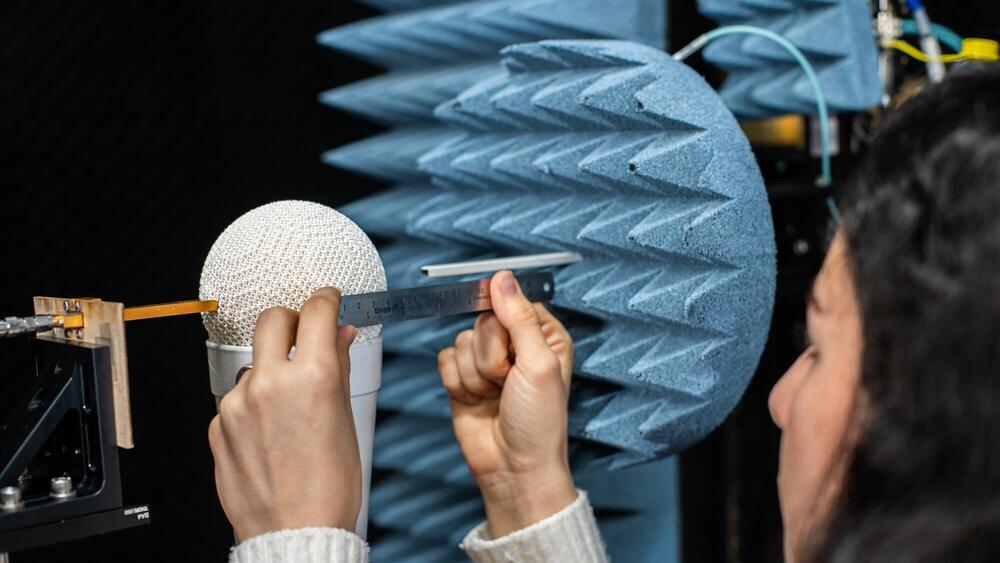


At Notre Dame, research is a powerful means for doing good in the world. Our commercialization efforts connect discovery to application, helping innovations move beyond the lab to benefit society through faculty support, strategic partnerships, and licensing.
Whether you're a researcher looking to disclose a new innovation or an organization interested in licensing University technologies, we're here to help move promising discoveries toward real-world impact.

Share your innovation with our team to catalyze the process of protecting, evaluating, and advancing your research toward real-world impact.

Explore available technologies and partner with us to bring Notre Dame innovations to market through tailored licensing opportunities.

Explore funding opportunities, commercialization resources, and practical tools designed to help move discoveries from the lab to market.

Our Researcher Liaisons serve as the primary, concierge-style point of contact for Notre Dame Faculty members in the commercialization process.
As trusted partners, they help researchers navigate key decisions, align commercialization strategies with research objectives, and connect them to the people and resources that can accelerate progress at every stage.

Presented annually, the 1st Source Commercialization Award honors faculty researchers at the University of Notre Dame and Indiana University School of Medicine-South Bend, whose discoveries advance innovation into market-ready products and services.
Explore key concepts, agreements, and processes that help move research discoveries from the laboratory to real-world impact.
Bayh-Dole Act
The Bayh-Dole Act allows universities to retain ownership of inventions developed through federally funded research while requiring them to disclose inventions, pursue commercialization when appropriate, and share resulting benefits. Understanding Bayh-Dole helps researchers comply with federal requirements and maximize the impact of their discoveries.
Learn more about the Bayh-Dole Act
CDA/NDA
A Confidential Disclosure Agreement (CDA), sometimes called a Non-Disclosure Agreement (NDA), helps protect confidential information when sharing unpublished research, inventions, or technologies with external organizations. The IDEA Center facilitates CDAs related to the potential licensing or commercialization of Notre Dame intellectual property for outbound transfers of information.
For outbound CDAs, contact the IDEA Center Research Liaison Team
For inbound CDAs, contact the the Notre Dame Research Administration and Compliance (NDRAC) team
Intellectual Property Policy
Notre Dame's Intellectual Property Policy outlines the ownership, disclosure, and commercialization of inventions, software, and other intellectual property developed through university research. Understanding the policy can help researchers navigate their rights and responsibilities while ensuring promising discoveries are positioned for successful protection and commercialization.
View the Notre Dame Intellectual Property Policy
Inter-Institutional Agreement (IIA)
When researchers from multiple institutions contribute to the same invention, an Inter-Institutional Agreement establishes how intellectual property rights and commercialization responsibilities will be shared. The IDEA Center works with partner institutions to ensure innovations can move efficiently toward patent protection and market impact.
Request an IIA from Veronica Mendoza, Contracts and Compliance Specialist
Material Transfer Agreement (MTA)
When research materials are shared between Notre Dame and another institution or company, an MTA helps protect intellectual property, define permitted uses, and establish the terms of the transfer. The IDEA Center supports outbound MTAs and can help researchers navigate the process.
For outbound MTAs, contact Tim Joyce, Director of Technology Protection and Licensing
For inbound MTAs, contact the Notre Dame Research Administration and Compliance team
Responsible Use of AI Tools
Generative AI tools are increasingly used in research workflows for tasks such as data analysis, literature review, and drafting text. While these tools can be valuable, researchers should take care when using AI systems with unpublished research data, experimental results, or descriptions of potentially patentable inventions.
Software Disclosure
A Software Disclosure notifies the IDEA Center of software developed through Notre Dame research or University activities. The disclosure process helps assess intellectual property considerations and identify opportunities for protection, licensing, open-source distribution, or commercialization. At Notre Dame, software disclosure is managed through the inventor portal.


